Handmade Crafting Ideas That Actually Work (And Won't Drain Your Wallet)
I've tested over 200 DIY projects in the past three years. Most YouTube tutorials lie about time and cost. Here's what genuinely works.
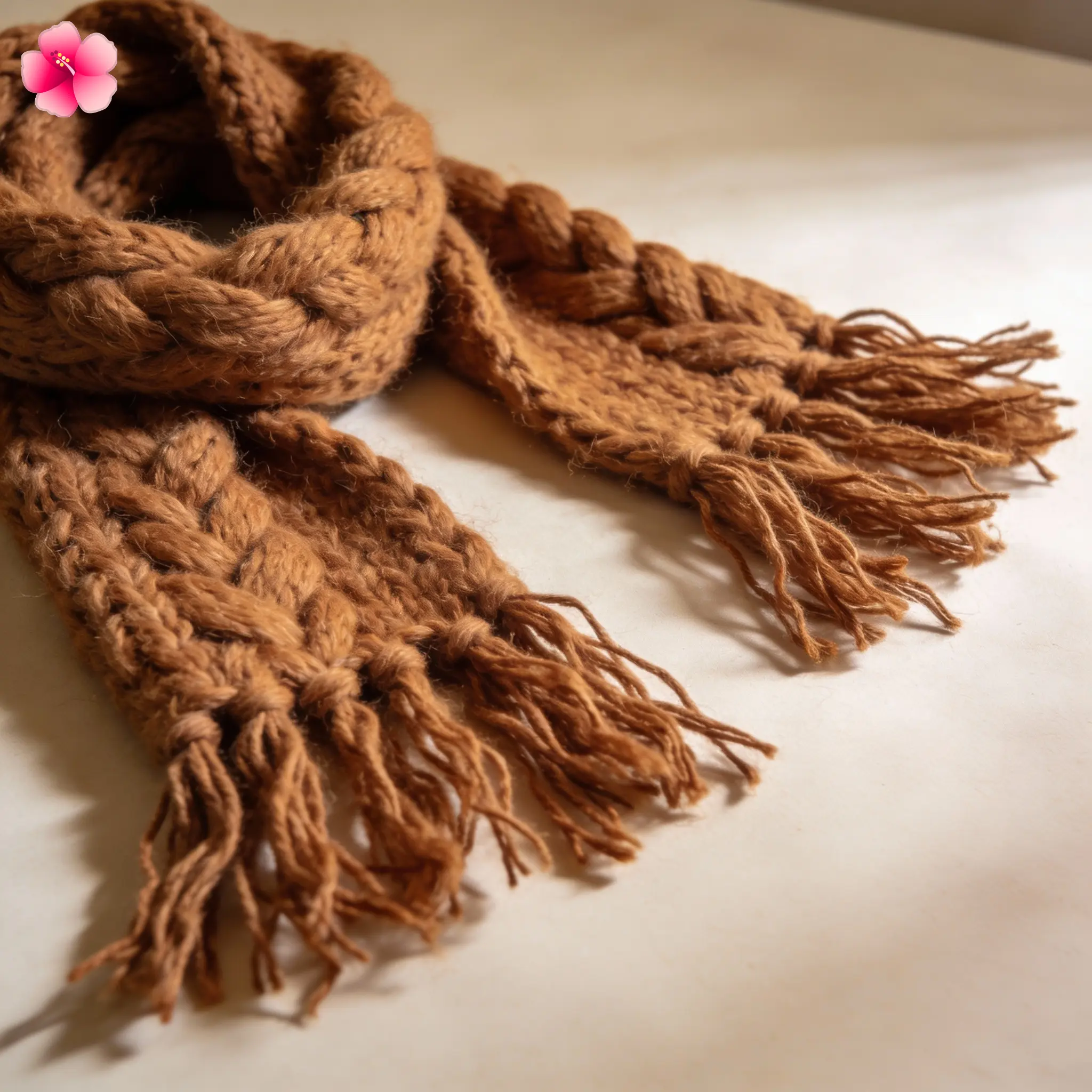
These projects range from Pinterest disasters to genuinely satisfying creations. The difference between success and failure? Realistic expectations, proper technique, and choosing the right project for your skill level.
This guide covers handmade crafting ideas I've personally completed — with real costs, actual time investments, and honest difficulty ratings.
- Handmade Crafting Ideas That Actually Work (And Won't Drain Your Wallet)
- Textile Projects for Every Skill Level
- Macramé: Easier Than Instagram Suggests
- Paper-Based Projects Worth Your Time
- Working with Recycled Materials
- Natural Material Projects (Free Supplies Everywhere)
- The Budget Reality Check
- When DIY Makes Financial Sense
- Seasonal Projects That Impress
- FAQ
| Craft Category | Avg. Cost | Time | Skill Level |
|---|---|---|---|
| Textile Projects | $15-45 | 2-6 hours | Beginner-Intermediate |
| Paper-Based Crafts | $5-20 | 1-3 hours | Beginner |
| Natural Material Projects | $0-30 | 2-8 hours | Varies |
| Home Décor Items | $20-80 | 3-10 hours | Intermediate |
Textile Projects for Every Skill Level
Fabric creations dominate Pinterest for good reason — they look impressive but don't require years of training. My favorite handmade crafting ideas in this category involve zero sewing machines. Seriously. No threading needles, no bobbin disasters, no frustration.
No-sew blankets changed my perspective completely. Take two fleece pieces (about 1.5 yards each), cut matching fringe along all edges, and tie corresponding strips together. Total investment: $12 for fabric, maybe 90 minutes of your time. The finished product looks like something from a craft fair — because it essentially is. I made seven of these as holiday gifts last December. Everyone assumed I spent hours at a sewing machine.
Macramé: Easier Than Instagram Suggests
Macramé wall hangings photograph beautifully on social media. Here's the reality check: basic macramé uses exactly four knots. Square knot, spiral stitch, half hitch, and gathering knot. That's the entire foundation. Everything else is just repetition and pattern variation. Once you master those four movements, you can tackle 90% of patterns you'll find online.
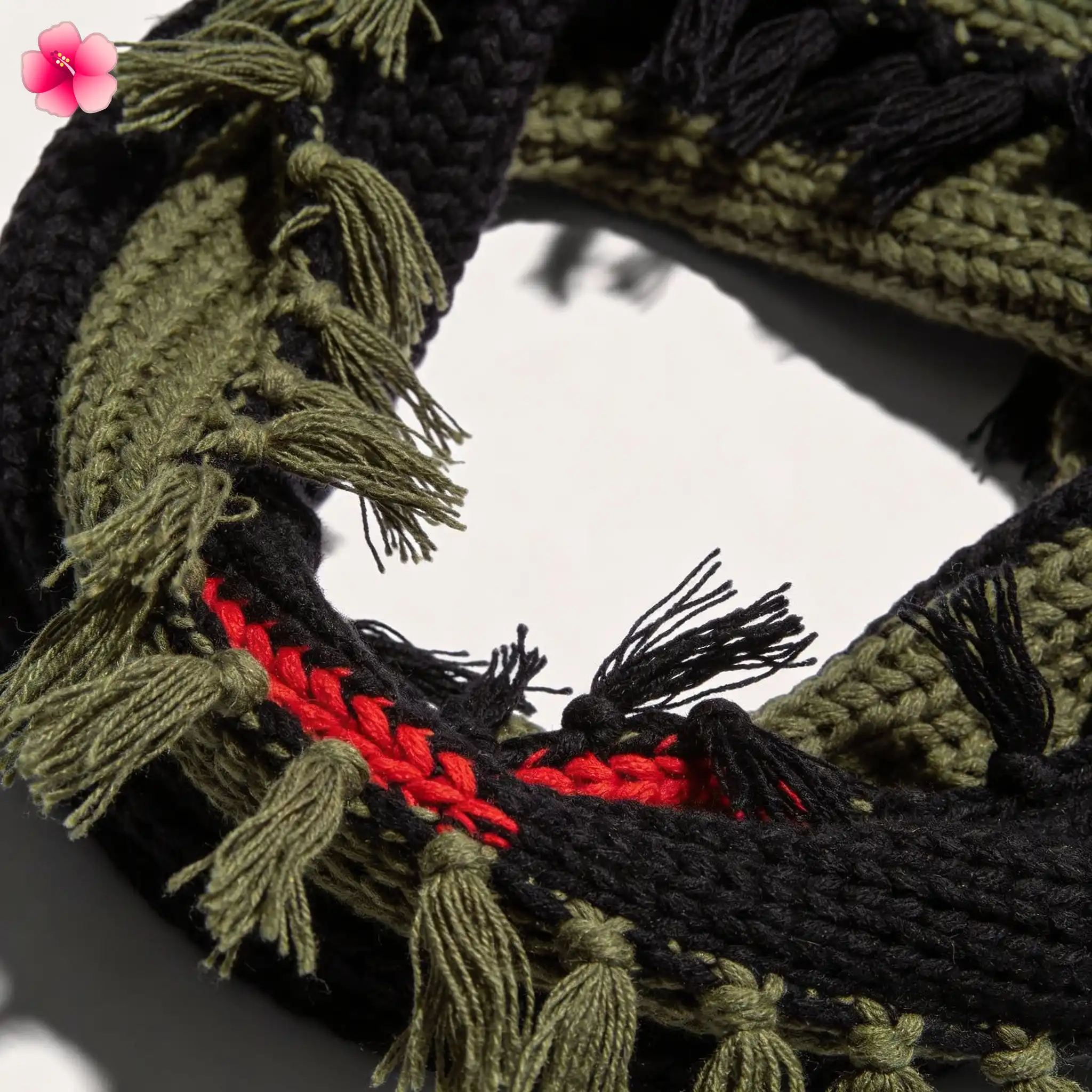
I spent $18 on macramé cord and a wooden dowel for my first project. Three hours later, I had a wall hanging my sister actually asked to buy. She offered $40. These projects scale beautifully — once you know the basics, bigger pieces just mean more cord and more time. My largest wall hanging took 12 hours across four evenings and sold at a local market for $85. Material cost: $23.
Fabric scrap bowls deserve mention too. You'll need fabric stiffener ($8), cotton scraps (free if you raid your closet), and a bowl as a mold. The process takes about two hours including drying time. People assume these bowls required specialized equipment. They didn't. Just patience and some plastic wrap to prevent sticking.
Paper-Based Projects Worth Your Time
Paper projects get overlooked because they seem juvenile. Big mistake. Origami alone offers possibilities ranging from simple cranes to museum-worthy tessellations that take weeks to complete. The barrier to entry? About $3 for a pack of origami paper. The ceiling for mastery? Essentially infinite. Master folders spend decades perfecting their technique.
Quilling remains one of my most-recommended handmade crafting ideas for beginners. You roll thin paper strips into shapes, then arrange them into designs. A starter kit costs $15 and contains enough supplies for 10+ projects. The learning curve is gentle — within an hour, you're making flowers that look genuinely professional. Within a week, you're creating portraits and landscapes. I've seen quillers produce pieces that sell for $200+.
Working with Recycled Materials
Some of my favorite projects cost literally nothing. Newspaper weaving transforms old papers into baskets, bowls, and even furniture. I made a magazine rack from newspapers and white glue — materials cost: $0. Time invested: 4 hours across two evenings. The finished product has held magazines for two years now without sagging or tearing. Guests regularly ask where I bought it.
Book page art works perfectly for damaged books you'd otherwise trash. Fold pages into patterns, cut silhouettes, or create 3D sculptures. These techniques turn $1 thrift store finds into wall art. I've watched similar pieces sell for $40+ on Etsy. The profit margin is absurd when your raw material costs a dollar.
Natural Material Projects (Free Supplies Everywhere)
Nature provides free supplies if you know where to look. Pressed flower art counts among the most rewarding handmade crafting ideas because the materials grow in your backyard — or any public park, for that matter. Pick flowers, press them in heavy books for 2-3 weeks, then arrange in frames. Cost per piece: maybe $5 for a frame from Dollar Tree. These produce genuinely stunning results that people mistake for expensive boutique art.

Driftwood projects deserve more attention. A beach walk yields enough material for multiple creations — coat racks, picture frames, candle holders, jewelry displays. One afternoon collecting driftwood gave me supplies that lasted six months. Zero dollars spent on materials. My driftwood mirror frame took four hours to assemble and looks like something from a coastal boutique charging $150+.
Pine cone decor might sound like kindergarten territory, but sophisticated options exist here too. Bleached pine cones look shockingly elegant. The process: soak them in a 2:1 bleach-water solution for 24 hours. Dry completely in sunlight. Use in wreaths, centerpieces, or standalone displays. These cost pennies and look like high-end décor. The transformation genuinely surprises people who remember pine cones as brown and boring.
The Budget Reality Check
Real talk: some DIY projects cost more than buying finished products. Candle making sounds cheap until you price wax, fragrance oils, wicks, containers, and a pour pot. My first candle batch cost $47 for supplies yielding six candles. That's $7.83 per candle when Target sells similar ones for $5. The math doesn't lie. Some projects require honest cost analysis before you commit.
Jewelry making falls into this trap too. Quality beads, findings, and tools add up fast. My first beaded necklace cost $22 in materials for something I could've bought for $15. The second necklace? That's where savings kicked in — I already owned the tools and bought beads in bulk. Initial investment hurts, but per-project costs drop dramatically once you're stocked up.
When DIY Makes Financial Sense
Handmade crafting ideas work financially when you value the process, need custom sizes, or plan to sell. My macramé plant hangers cost $8 in materials but sell for $35 at craft fairs. That's where these projects become genuinely profitable. The hourly rate exceeds minimum wage once you're efficient.
Gifts represent another win for DIY projects. A $15 homemade item carries more emotional weight than a $50 store-bought alternative. My grandmother still displays a pressed flower frame I made her eight years ago. She's forgotten countless purchased gifts, but that one stays on her mantle.
| Project Type | Material Cost | Store Price | Verdict |
|---|---|---|---|
| Macramé Plant Hanger | $8 | $25-40 | Make it yourself |
| Scented Candles (6) | $47 | $30 | Buy store version |
| Pressed Flower Frame | $5 | $35-60 | Definitely DIY |
| No-Sew Fleece Blanket | $12 | $25-35 | Worth making |
| Beaded Jewelry | $8-22 | $15-40 | Depends on volume |
Seasonal Projects That Impress
Holiday creations save money and build traditions worth repeating. Fall wreath making uses materials you collect for free — branches, leaves, berries, pine cones from any neighborhood walk. Add a $3 foam ring base and some ribbon, and you've got décor costing under $10. Commercial equivalents run $40-80. The savings justify the time investment.
Homemade ornaments become family heirlooms. Salt dough ornaments cost about $0.50 each in materials — flour, salt, water. Kids can help with these, and the results last decades when sealed properly. I still have ornaments my grandmother made in 1978. They've survived countless moves and still hang on my tree every December. Try getting that longevity from a Target purchase.
Spring handmade crafting ideas focus on renewal and growth. Seed bombs mix clay, compost, and wildflower seeds into throwable balls that sprout wherever they land. These cost $0.10 each to make, and they're genuinely fun for gardening enthusiasts. Easter egg decorating moves beyond boring dye kits with techniques like silk tie transfers (you wrap eggs in old silk ties, boil them, and the pattern transfers) and botanical prints using leaves pressed against shells.
Summer brings outdoor entertaining projects. Citronella candles in Mason jars cost $3 each to make versus $12 store-bought. Painted garden stones turn rock collecting into art. Tie-dye projects work better in warm weather when things dry fast. Winter means cozy indoor work — knitted scarves, sewn quilts, and elaborate paper creations that require long focused sessions.
FAQ
What projects work best for absolute beginners?
No-sew fleece blankets, basic quilling, and salt dough ornaments require zero prior experience and produce impressive results within hours.
How do I find affordable supplies?
Dollar stores, thrift shops, nature walks, and your own recycling bin provide materials at minimal cost — sometimes free.
Which handmade crafting ideas sell well at local markets?
Macramé plant hangers, pressed flower art, and unique jewelry consistently sell well because they're difficult to mass-produce cheaply.
Can kids participate in these projects?
Salt dough, paper quilling, and nature-based projects offer age-appropriate options that produce results children genuinely feel proud of.
How long do typical handmade crafting ideas take to complete?
Most beginner projects finish within 1-3 hours, though complex pieces like large macramé wall hangings may require 6-12 hours spread across multiple sessions.
What tools should I buy first?
Quality scissors, a self-healing cutting mat, and a hot glue gun cover requirements for 80% of projects — total investment under $25.
Updated 2026-01-06